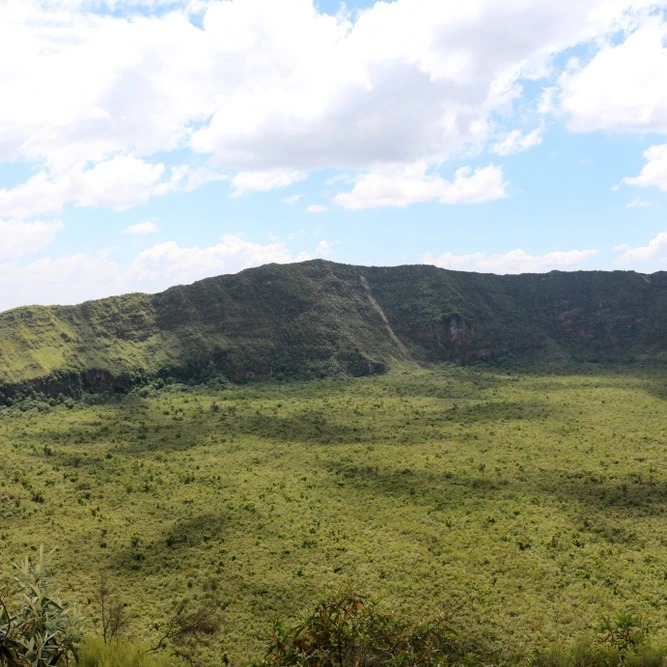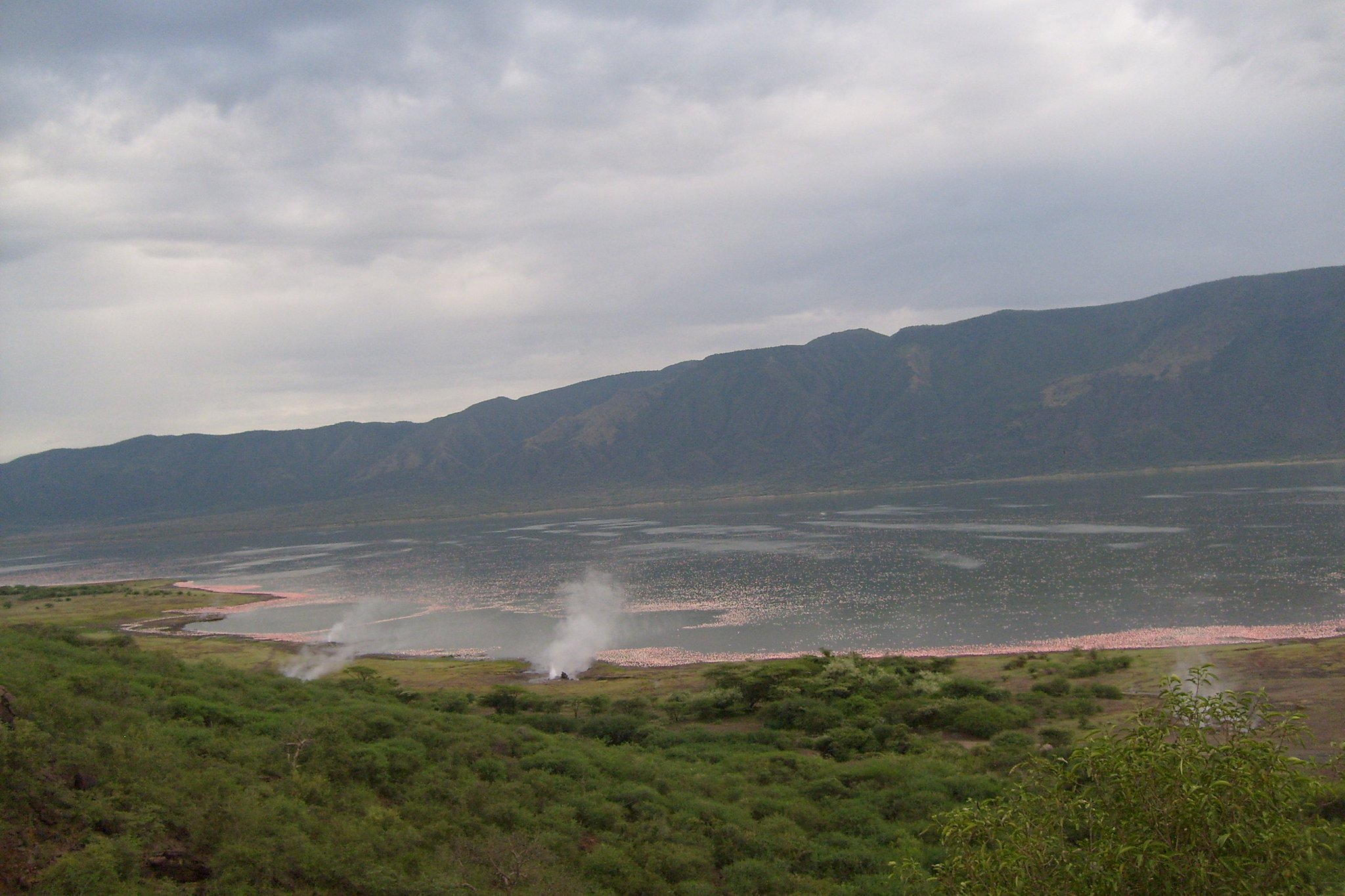
The Rift Valley, a geological marvel stretching across East Africa, is home to a series of lakes renowned for their unique salinity levels. This phenomenon is a result of a complex interplay of geological and climatic factors.
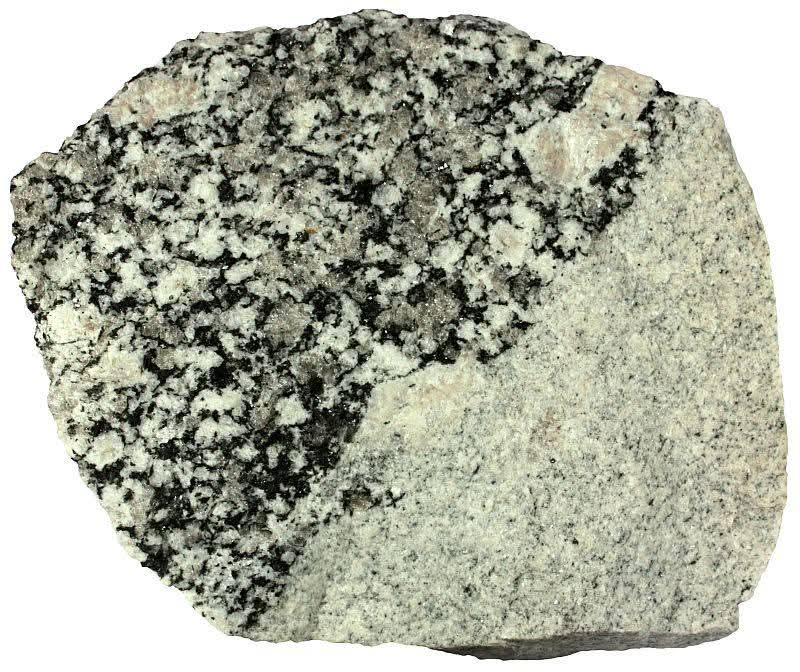
Geologically, the Rift Valley is a region characterized by intense volcanic activity. The volcanic rocks in the area are rich in minerals that release salts into the surrounding waters. As these minerals erode and dissolve, they gradually increase the salinity of the lakes. This process is further exacerbated by the region’s hot, dry climate. High evaporation rates concentrate the salts in the lakes, leading to even higher salinity levels.
In addition to volcanic activity and high evaporation rates, the Rift Valley lakes are often isolated from freshwater sources. This lack of inflow means that the salts that accumulate in the lakes have no way of being diluted or flushed out. As a result, the salinity levels continue to rise over time.
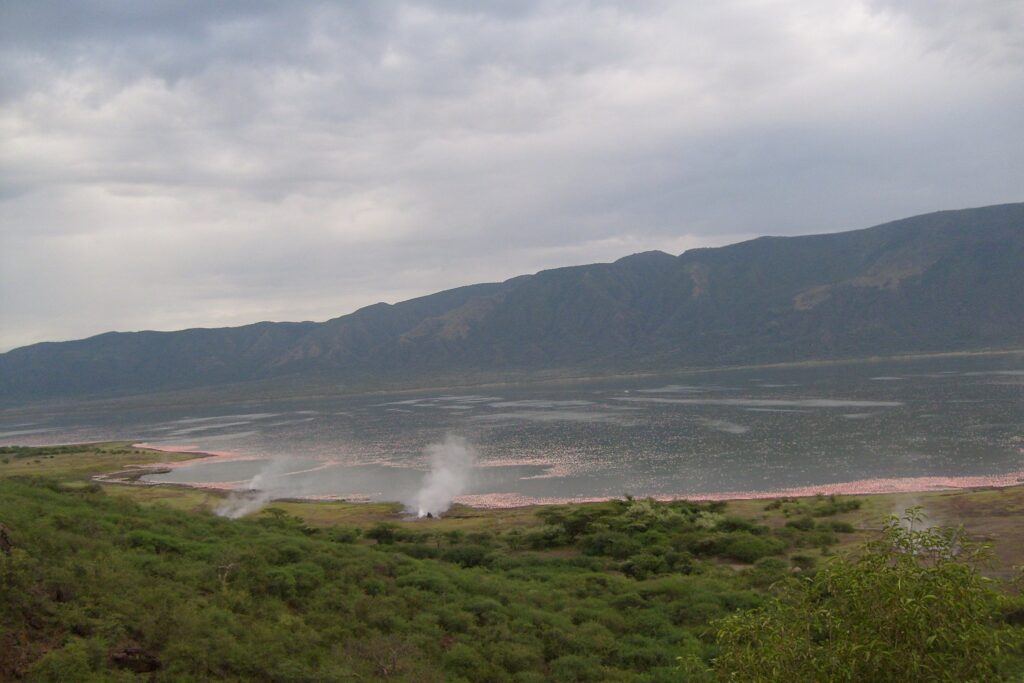
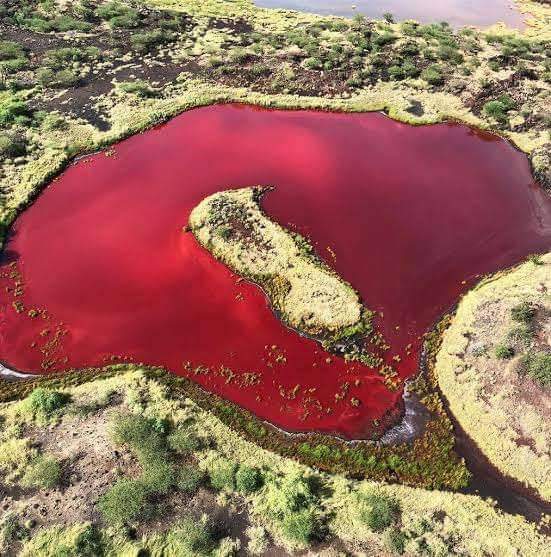
Moreover, the rocks in the Rift Valley are often alkaline, containing minerals that can raise the pH of the water. This alkaline environment can contribute to the salty taste of the lakes and can also affect the types of organisms that can survive in these waters.
The combination of these factors has created a unique environment for the Rift Valley lakes, where high salinity levels support a diverse range of specialized organisms. These adaptations allow these organisms to thrive in conditions that would be inhospitable to most other species.
The salinity of the Rift Valley lakes is a testament to the intricate relationship between geological processes and climatic conditions. It is a fascinating example of how the Earth’s natural forces can shape the environment and support a wide variety of life.