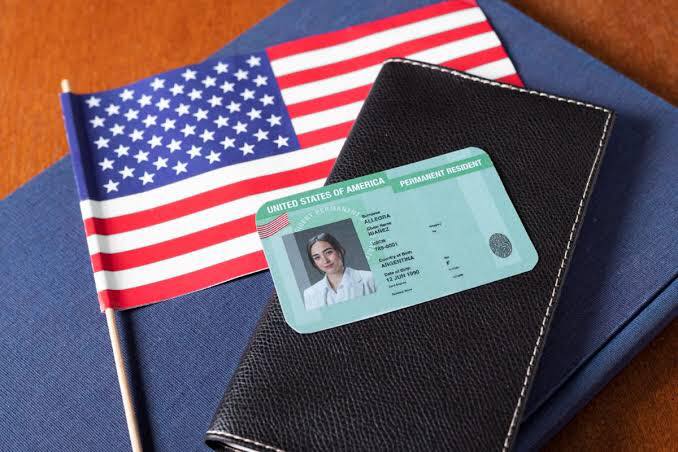
A Green Card, officially known as a Permanent Resident Card, is a document issued by the U.S. government that grants a foreign citizen the right to live and work permanently in the United States. It’s essentially a gateway to citizenship.
Key Points About the Green Card:
- Permanent Residency: It doesn’t grant immediate citizenship, but it allows you to live and work in the U.S. indefinitely.
- Path to Citizenship: After living in the U.S. as a permanent resident for a certain period (usually 3-5 years), you may be eligible to apply for U.S. citizenship.
- Benefits: Green card holders have access to many of the same rights and privileges as U.S. citizens, including the right to work, travel freely within the U.S., and access to public benefits.
- Types of Green Cards: There are several ways to obtain a Green Card, including:
- Family-based immigration: If you have a family member who is a U.S. citizen or permanent resident, they may sponsor you for a Green Card.
- Employment-based immigration: If you have a job offer in the U.S. that requires a skilled worker, your employer may sponsor you for a Green Card.
- Diversity Visa Lottery: This program allows a limited number of people from certain countries to immigrate to the U.S. each year through a random lottery.
- Refugee or asylum: If you are a refugee or asylum seeker, you may be eligible for a Green Card.
Important Considerations:
- Application Process: The process for obtaining a Green Card can be complex and time-consuming. It often involves completing various forms, providing documentation, and undergoing interviews.
- Immigration Laws: U.S. immigration laws can be complex and subject to change. It’s essential to consult with an immigration attorney for accurate and up-to-date information.
Common Mistakes to Avoid When Applying for a Green Card
The Green Card application process can be complex and daunting. Here are some common mistakes to avoid:
- Incomplete or Incorrect Documentation: Ensure that all documents you submit are complete, accurate, and up-to-date. Missing or incorrect information can delay your application or lead to rejection.
- Misrepresenting Information: Providing false or misleading information on your application can have serious consequences, including deportation. Always be truthful and honest in your responses.
- Failing to Meet Eligibility Requirements: Carefully review the eligibility requirements for the Green Card category you are applying for. Ensure that you meet all the criteria before submitting your application.
- Not Following the Instructions: Follow the instructions provided in the application forms and supporting documents carefully. Any deviations from the instructions can result in delays or rejection.
- Neglecting to Update Your Application: If your circumstances change during the application process, notify the USCIS (United States Citizenship and Immigration Services) immediately. Failure to update your application can lead to delays or rejection.
- Ignoring Communication from USCIS: Always respond promptly to any communications from USCIS. Ignoring their requests can result in delays or the termination of your application.
- Hiring an Unqualified Immigration Attorney: If you choose to hire an immigration attorney, ensure that they are qualified and experienced in handling Green Card applications. A poorly prepared attorney can make mistakes that can jeopardize your application.